Showing posts with label Picture Books. Show all posts

Thursday, August 22, 2013

Universal Preschool and Publishing

Does anyone know where Obama's Universal pre-K plan stands? Thoughts of it and its potential impact on publishing have been rumbling through my brain for some time now. According to the Washington Post last February, only 3 out of 10 four year olds currently attend preschool. To narrow the achievement gap, Obama wants to institute a program that would provide funding for preschool to all families 200% and lower than the poverty rate. These preschools would have strict academic standards with teachers trained and paid at the same levels as current k-12 teachers. I'm not saying this would eliminate the achievement gap, but as a teacher, I have no doubt that this would make a significant difference in the achievement of these students.

From the New America Foundation:
The president’s budget proposes $1.3 billion for 2014 and anticipates making awards to just 12 to 18 states. Recognizing that many states have a lot of work to do, the administration is also proposing a second, $750 million, pre-K grant program called Preschool Development Grants. These would be smaller, competitive grants and would help states build necessary infrastructure, such as workforce and facility development, to support the creation or expansion of pre-K programs.
As an author and illustrator, I'm thinking of the picture book market which has been in a slump for more than a decade. Let's pretend we doubled the preschool programs in the U.S. These classrooms need what?

Books! Picture books.

I hope publishers are thinking about this already and are gearing up to bring more young literature to the market. Because CORE standards are emphasizing nonfiction like never before, I would also expect publishers to be looking to acquire child-friendly NF, though children certainly need to be exposed to broad range of engaging text. (And as much as many publishers claim to be "not interested" in rhyming text, rhyming is hugely important to children as a pre-reading skill, which is why librarians include so much of it in their "storytimes" in public library programs. Hint, hint, publishers.)

What are your thoughts on the Obama initiative regarding preschool, and do you think this will affect the picture book market? Publishers, are you looking at this and planning for it, or do you expect to take a wait-and-see-attitude before increasing your PB offerings?

Saturday, August 10, 2013

10-for-10 Picture Book Event 2013

This is my first year to participate in the 10-for-10 event. My list consists of the 10 picture books I, as a teacher, author, and illustrator, can't live without. Here goes:

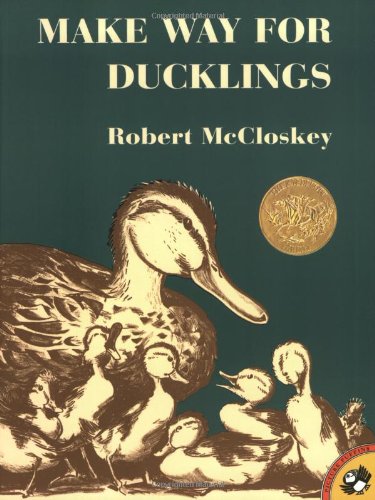
1.  Make Way for Ducklings by Robert McCloskey--I had to begin my list with this because when I was a child and was taken to the library every week, though I searched and searched, I could not find a better book than this, so I checked it out each week. My parents then made a new rule: I had to check out two books, one of which could not be Make Way for Ducklings. Problem solved.


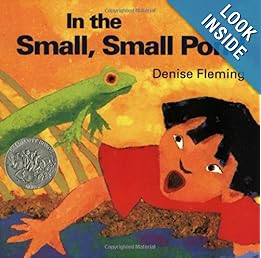
2.  In a Small, Small Pond by Denise Fleming. --Here is a great example of writing about a "small moment" and it's a great mentor text for that. Couple that with Fleming's brilliant and innovative paper pulp illustrations and you have pure genius.


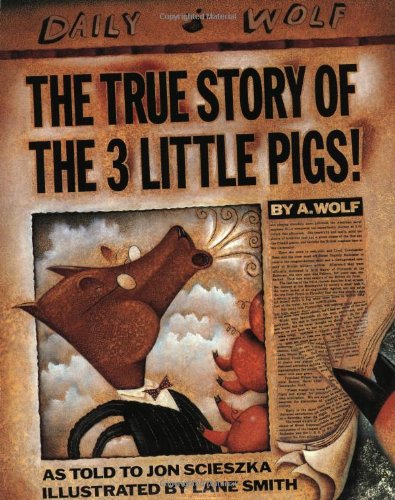
3.   The True Story Of The Three Little Pigs by Jon Scieszka  --Here is a great example of Point of View and could be a great mentor text for kids of all ages to write a familiar story from an alternative character's POV.


4.  Hook by Ed Young --I think that everything Ed Young does is brilliant, but I love this book for its sparseness. Sparse text, sparse illustration = less is more. For students who get hung up on trying to make their artwork look as realistic as possible, here's a great lesson in illustration that "gives the impression of," which is what illustration is meant to do. (If the publisher wanted the illustrations to look totally realistic, they'd use photos.) It's a freeing lesson for children.


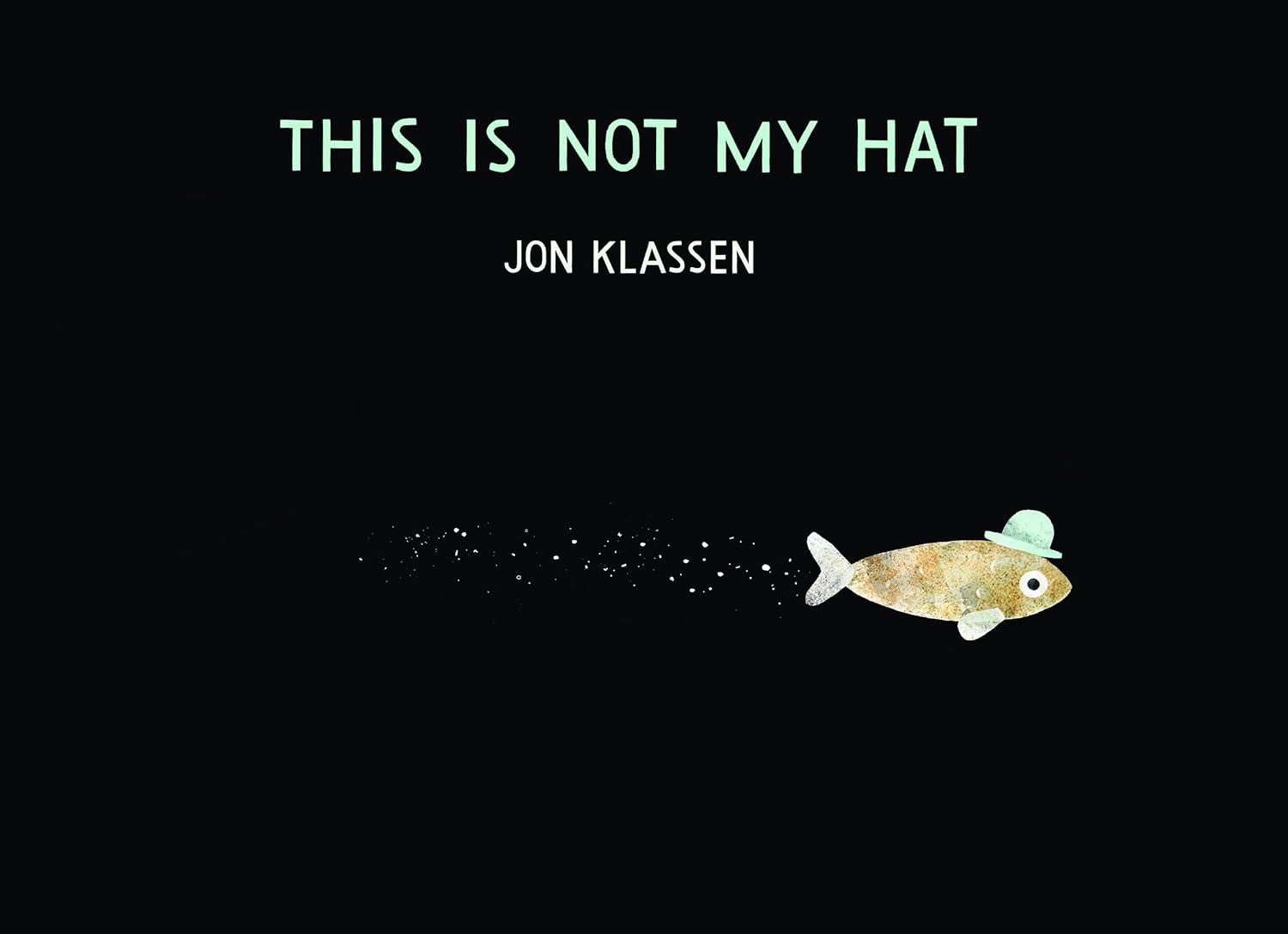
5.  This Is Not My Hat by Jon Klassen  --What I love, love, love about this book is that the text does not match the illustration, and kids know it. Great for examining inference! Several years ago I took a novel writing class where the teacher posed this question: "If the majority of communication is nonverbal, what are you doing in your writing about this?" This is the question in illustration, and Klassen handles it in the blink of an eye.


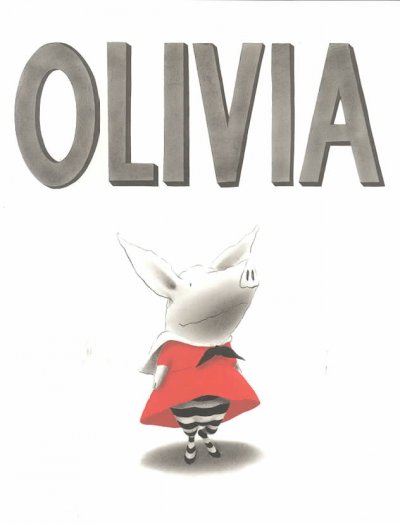
6.  Olivia by Ian Falconer--Olivia epitomizes the character-driven picture book, and no one, young or old, can tell me they don't like this little pig.


7.  The Lion and the Mouse by Jerry Pinkney --There are many awesome wordless picture books out there, but I challenge you to find one more beautiful than this one. I love the strength of wordless PBs in building vocabulary and blogged about it here.


8.  Country Crossing by Jim Aylesworth --This obscure little book stole my son's heart when he was young. I love it for a couple reasons. First, I think it's a great example of the "speed" of a text. This story begins slowly and quietly, becomes fast and loud in the middle, and returns to slow and quiet in the end. The other reason I love this book is the way the illustrations become the text--a beautiful meshing of text and image.


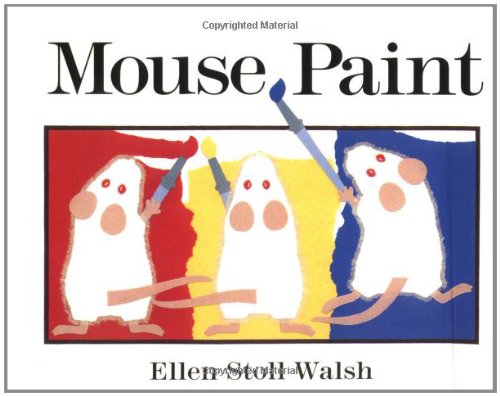
9.  Mouse Paint by Ellen Stoll Walsh--The first reason to love this book is because the mice are so darn cute. The second is because it teaches an art lesson and it's fun to duplicate that. Finally, I love this book as an example of character motivation--why the mice decide to become white again in the end.


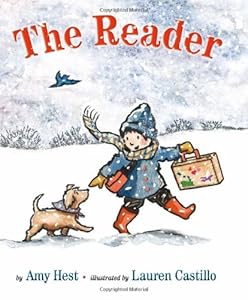
10. The Reader by Amy Hest--I'll admit it--I have a love affair with quiet books, and they rarely make it through the publication process these days, but this one did. This quiet tale is of two friends who share a great and important experience together--reading! Couple this with some of the best work illustrator Lauren Castillo has done and you have beautiful book through and through that celebrates--what else?--reading!


Thank you to Cathy, at Reflect & Refine: Building a Learning Community, and Mandy, at Enjoy and Embrace Learning for sponsoring this 10 for 10 Picture Book event!

Sunday, July 7, 2013

Five Authors (Some Illustrators) to Engage Your Students


Elementary classrooms tend to be havens for books (as they should be!) And teachers are pros at making good use of them. But every now and then I peruse author and illustrator websites looking for teaching materials that are ready to go. Today I bring you five.
April Pulley Sayre, nonfiction-author-extraordinaire heads up the list with literally hundreds of activity ideas for teachers. Her Educator Resource page is divided into the categories of: Author Study, Book Links, Book-Related Activities (tons of these!), Birds, Fish, Geography and Biomes, Insects, Mammals, Math, Other, Physical Science, Reptiles and Amphibians, Seeds, Vegetables and Fruits, Writing Process, Featured Resource, Miscellaneous, Standards and Curriculum, Story Plans, and Worksheets. Wow April! We can't ask for more than that!
Patricia Polocco, author/illustrator has a tab at the top of her page that says Fun Stuff. There you will find Color-Ins, Postcards, Puzzles, Bookmarks, Portrait Downloads, Mini-Posters, Video Gallery, and Audio. Check it out!
Author/Illustrator Jan Brett is known for her finely detailed illustrations. Here, you can find Activities. Coloring Pages, Murals, Cards, Hedge-a-Grams (audio), and Games. Nice stuff!
Author and Illustrator combo, Don and Audrey Wood. Audrey's activities page can be found by clicking the Activities box at the top of the page. In the drop down menu, you will find printables for eight of Audrey's books. Everyone will love the secret pages found by clicking the tab at the top, which show photos that were used as models for Don's fantastic illustrations as well as other books-in-the-making info.
And finally, check out everyone's favorite poet, Jack Prelutski's page. Personally, I find the creature on the landing page a bit creepy, but Jack's a poet, not an illustrator, so I'll let it slide. Jack doesn't have printables, but he has a number of activities there.
With some authors, connecting kids to books is as easy as going to their websites!